
Hotline:15086707142
 3 / 3
3 / 3
图片三 |
Your position: Home > News > News Information
Learning near-infrared spectroscopy detection |
| Publisher:Jinghong (Jiangsu) Spectrum Co.,Ltd. Release time:2025-01-13 15:45:19 Click count:62 Close |
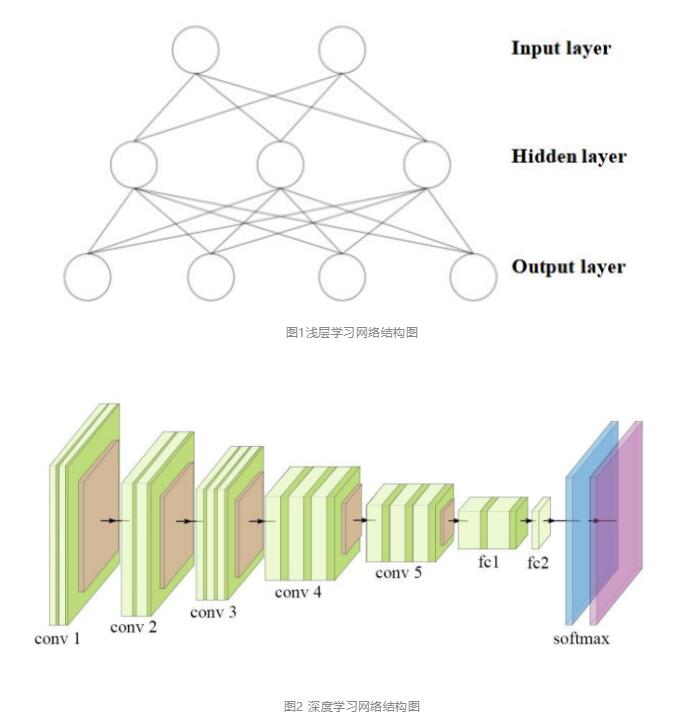
Near infrared spectroscopy technology has the characteristics of accurate analysis of material composition and properties, quantitative detection, non-destructive testing, etc. With the advancement of artificial intelligence and the development of deep learning technology, near-infrared spectroscopy detection systems based on deep learning algorithms have emerged. These systems include various typical methods and have achieved good application results in food safety monitoring, pollutant detection, drug analysis, and other fields. This article systematically reviews domestic and foreign literature, introducing the principles, characteristics, and development history of deep learning and near-infrared spectroscopy technology. The research significance of near-infrared spectroscopy detection based on deep learning was discussed. This article provides an overview of the latest developments in deep learning based near-infrared spectroscopy related technologies, elaborating on the advantages, disadvantages, and applicable fields of these methods, and offering prospects and predictions for the future development trends in this field.
|

Jinghong (Jiangsu) Spectrum Co.,Ltd. TEL:15086707142 E-MALI:SHJH@cl-spectrum.com WEB: www.cl-spectrum.com ADD:Building 33, No. 58 Tonggang Road, Bixi Street, Changshu City, Jiangsu Province Su ICP No. 2026055001-1
 Scan the mobile website
 Cell phone station
